
ENSURING SAFE JOURNEYS: FIRESTOP APPLICATIONS IN AIRPORTS
Help reduce risks to life safety and minimize potential business disruption.
Help to minimize risk to life safety and the risk of business interruption
ENSURING SAFE JOURNEYS: FIRESTOP APPLICATIONS IN AIRPORTS
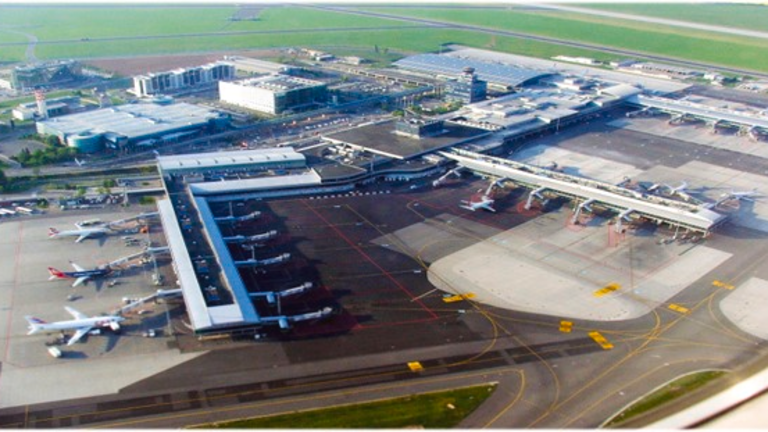
Airports are bustling hubs of activity, with thousands of people coming and going every day facilitating the arrival, departure or surface movement of aircraft. An airport’s structures, installation and equipment are subject to the size, function and intended use of the airport. With the rise in global air travel, the financial demands of airport operations are higher than ever before. Ensuring the safety of passengers, staff and infrastructure of airports is crucial, and one of the critical aspects of this safety is fire protection.
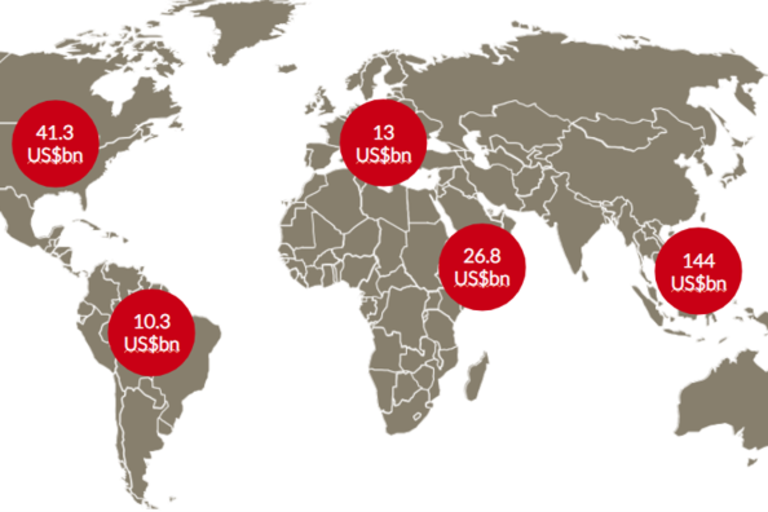
According to Hilti’s internal research, the total investment value for airport projects (projection more than 500 airports) in the period 2025 to 2030 will exceed 235 bn$ around the globe.
Cause and implication of fire accidents at airports
The high volume of travelers, extensive electrical systems, fuel storage and various hazardous materials make airports susceptible to fires that can escalate rapidly if not promptly detected and controlled. A fire incident at an airport, be it in the terminal buildings, air traffic controllers (ATC) towers, substations or other critical facilities, can lead to disabling essential facilities or structures. While it is a major life safety risk for the people within the facilities, this can result in airport shutdown, causing significant operational disruptions and devastating financial consequences. One of the examples where inadequate passive fire protection in airports led to a major fire – was the 2013 fire at the Jomo Kenyatta International Airport in Nairobi, which destroyed the airport’s international arrivals building, resulting in the cancellation of flights and significant financial losses. Similarly, the recent fire in March 2025, a fire at the North Hyde electrical substation supplying power to Heathrow Airport caused a significant power outage, leading to the suspension of flights and widespread disruption.
Airports are often designed with large open spaces, glass walls, and long corridors, which make them visually appealing and easy to navigate but also increase the risk of fire and smoke spreading rapidly.
Passive fire protection measures at airports adhering to global standards
Because of the high risk to people, facilities, and operations during a fire, airports have complex firestop needs due to the variety and number of penetrations and construction joints. As a result, airport construction projects face rigorous inspections from insurance companies (majorly FM insurances) and authorities to ensure compliance with industry standards and regulations. To address these challenges, an early design of passive fire protection solutions can help to ensure effective compartmentation — dividing buildings into sections to prevent the spread of fire, smoke, and rising temperatures. This proactive approach helps protect facilities, save lives, and minimize downtime and damage during a fire, ensuring buildings are safe and meet code requirements.
The main global standards for fire protection in airports come from various international organizations. The International Building Code (IBC) is widely used and includes passive fire protection requirements. ISO 834, from the International Organization for Standardization, specifies fire-resistance tests for building elements, including airports. NFPA 415, from the National Fire Protection Association, sets standards for airport buildings, concourses, and other airport facilities. Additionally, national regulations such as the Civil Aviation (Aerodrome) Regulations provide specific guidelines for fire protection services.
Hilti's Approach to Passive Fire Protection at airports
Hilti offers a wide range of firestop products designed to help prevent the spread of fire and smoke, including penetration seals, and construction joints. Hilti’s Firestop Selector tool simplifies the selection of tested firestop systems and Fieldwire ensures management and execution of firestop systems. With our fire protection solutions, Hilti wants to be the customer's partner at every stage of the project for all types of solutions with Hilti’s integrated project solution approach and Site 360 service package, providing optimized design for a facility combining fully compliant and approved firestop and modular supports systems. This approach also involves effective budgeting by obtaining material take-off quantities, providing all relevant information during the detailed design stage to facilitate faster execution during the construction phase on-site, and ensuring the availability of documentation through Firestop Submittal to support easier maintenance and operation.
Sustainability in airport infrastructure is increasingly important, especially regarding passive fire protection. Hilti's firestop solutions are designed with sustainability in mind, offering low-carbon products that help reduce material waste and emissions. These solutions help airports achieve green building certifications like LEED by providing product declarations such as EPDs and VOCs. Hilti's approach focuses on the circular economy, helping to ensure maximum value from minimal use of raw materials, which aligns with environmental goals and promotes long-term sustainability.
In conclusion, passive fire protection is one essential part for ensuring the safety and operational integrity of airports. By implementing effective passive fire protection measures and adhering to regulatory standards, airports minimize the risks associated with fire incidents, help protecting lives and reducing financial losses.
References
· Nairobi airport fire - Wikipedia
· Safeguarding Your Property: Fire Detection and Protection (FDP) Solutions |GEMS